Health Ministry issues Nipah virus alert
The Ministry has also developed a Nipah virus surveillance and response algorithm following the recent outbreak in India.

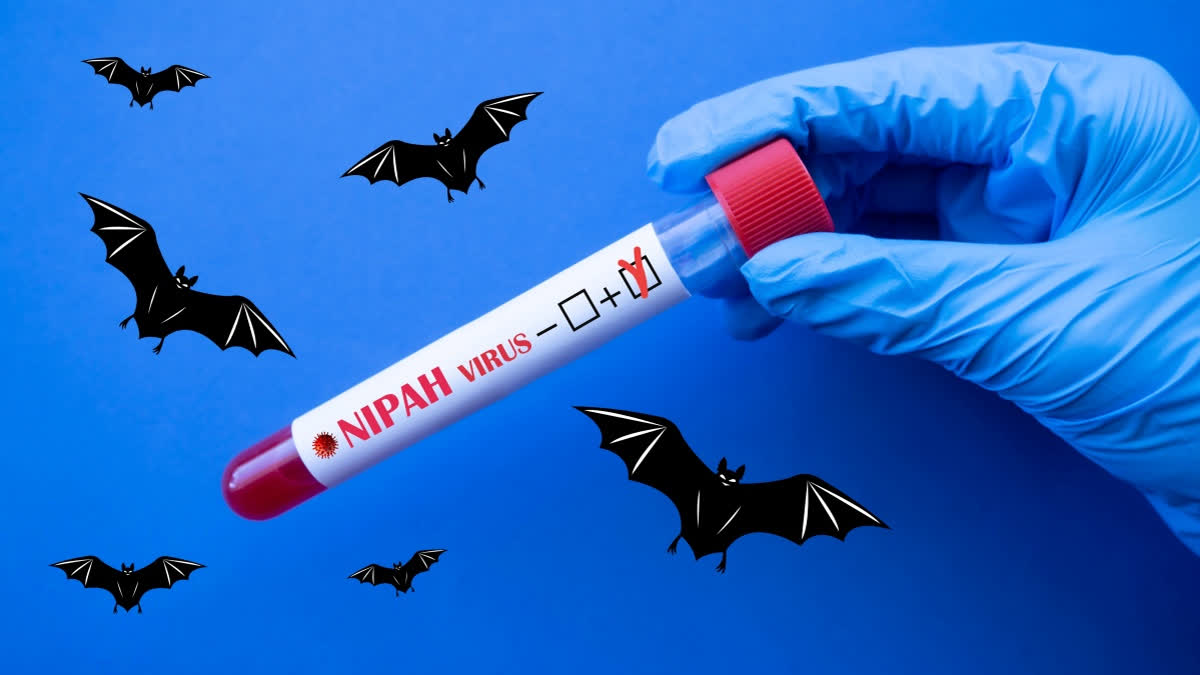
KATHMANDU: The Ministry of Health and Population has urged the public to stay alert to the risk of Nipah virus infection spreading in neighbouring India, even though the threat level in Nepal remains low.
In a statement issued today, the Epidemiology and Disease Control Division (EDCD) said health facilities and relevant agencies nationwide have been placed on alert as part of preparedness efforts.
The Ministry has also developed a Nipah virus surveillance and response algorithm following the recent outbreak in India.
Although the World Health Organization (WHO) has assessed the public health risk of the Nipah virus as low at both the global and South-East Asia regional levels, the Ministry has called on people to adopt precautionary measures.
Ministry spokesperson and Head of the Health Emergency and Disaster Management Unit, Dr Prakash Budhathoki, said the government is fully committed to safeguarding public health and is taking all necessary steps. He urged the public not to panic, but to remain alert, cautious, and responsible.
He advised people to wash fruits thoroughly before consumption, cook vegetables properly, and drink only safe and boiled water.
He also stressed the importance of maintaining cleanliness in animal sheds and farms, wearing gloves and masks while handling meat, washing hands regularly with soap and water, and wearing masks in crowded places.
Dr Budhathoki urged anyone experiencing suspicious symptoms to immediately visit the nearest health facility or call the toll-free number 1115.
According to health experts, Nipah virus infection can occur through consumption of fruits contaminated with saliva, urine, or feces of infected bats.
The virus can also be transmitted through close contact with infected individuals, exposure to bodily fluids such as blood, saliva, or urine, or through pigs that have come into contact with bats.
The Ministry has further directed health institutions to strictly follow patient identification, isolation, reporting, and infection prevention and control protocols if symptoms such as fever, headache, muscle pain, cough, breathing difficulties, dizziness, vomiting, or— in severe cases—loss of consciousness are observed.
Symptoms
-
Fever
-
Headache
-
Muscle pain
-
Cough
-
Breathing difficulty
-
Dizziness
-
Vomiting
-
In severe cases: confusion or loss of consciousness
Prevention Measures
-
Wash fruits thoroughly before eating
-
Cook vegetables and meat properly
-
Drink only clean and boiled water
-
Avoid consuming fruits bitten or contaminated by bats
-
Maintain cleanliness in animal sheds and farms
-
Wear gloves and masks while handling animals or meat
-
Wash hands frequently with soap and water
-
Wear masks in crowded places
-
Seek immediate medical care if symptoms appear