Eid al-Adha in Sudan hit hard by war & economic collapse
Many citizens say the cost of sacrifice animals has become unaffordable amid collapsing incomes and prolonged instability.

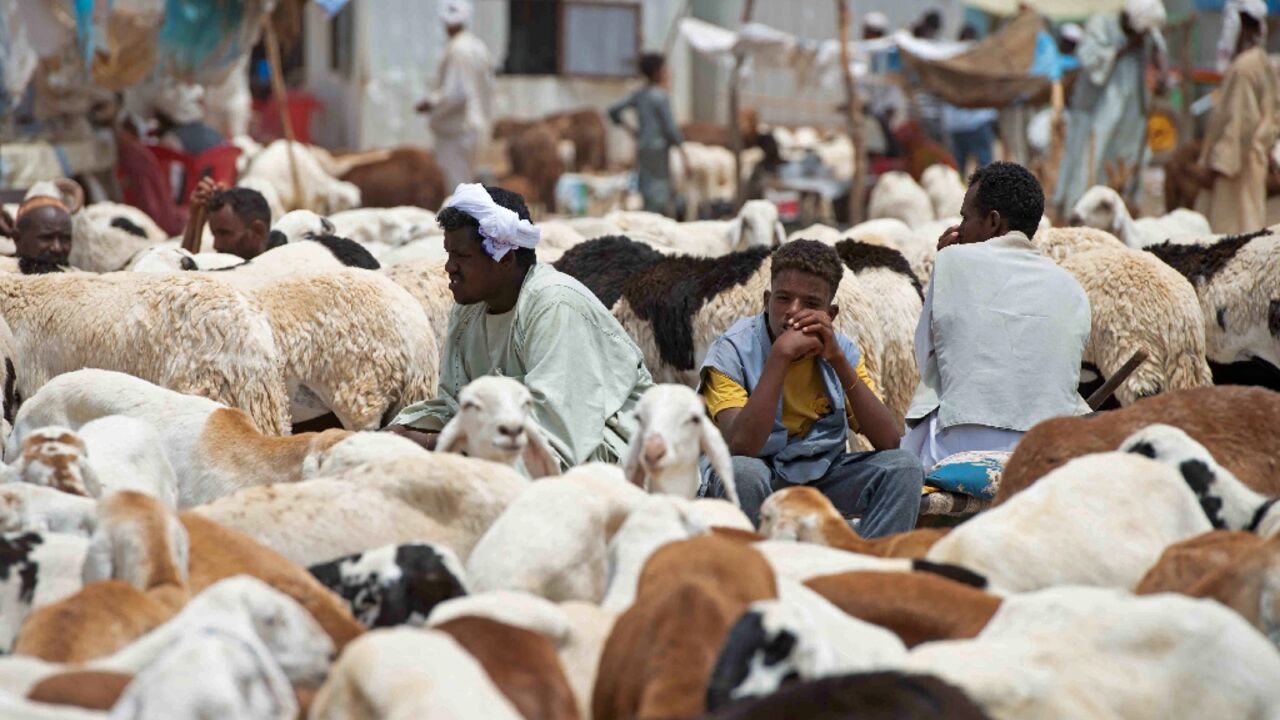
KATHMANDU: Sudan’s ongoing civil war and deepening economic crisis have cast a heavy shadow over this year’s Eid al-Adha celebrations, with traditional livestock markets witnessing unusually low activity despite adequate supply.
In major markets, including Omdurman’s Hilaleb livestock hub, goats and sheep are available, but sharply rising prices and a lack of buyers have left trading floors largely deserted.
Many citizens say the cost of sacrifice animals has become unaffordable amid collapsing incomes and prolonged instability.
A government employee, Mohammed Hassan Fidel, said he returned empty-handed after hearing the price of a sheep, reflecting the growing hardship faced by ordinary families trying to observe religious traditions.
Currently, sheep prices range between 800,000 and 1.8 million Sudanese pounds, equivalent to roughly $250–$560 at official exchange rates, and $195–$439 in the parallel market. Even the lower end remains far beyond the reach of many households.
The war between the Sudanese Armed Forces and the Rapid Support Forces (RSF), which began in April 2023, has severely disrupted livestock production and supply chains. Key producing regions such as Kordofan and Darfur have been heavily affected, with transport routes obstructed and insecurity restricting movement.
Traders say livestock transportation has become increasingly costly due to multiple official and unofficial fees imposed at checkpoints, particularly in RSF-controlled areas. These added burdens are directly reflected in market prices, further squeezing consumers.
Economist Ahmad al-Tijani attributes the price surge primarily to supply chain breakdowns, noting that destroyed infrastructure and blocked highways have forced traders to take longer, riskier routes. Rising fuel costs have further intensified inflationary pressure.
Another analyst, Abdul-Khaliq Mahjub, highlights that both formal and informal levies during livestock transport are compounding the crisis for both traders and consumers.
Once a vital pillar of Sudan’s economy and a major source of foreign exchange through livestock exports, the sector is now under severe strain. Experts warn that the ongoing disruption could have long-term consequences for Sudan’s economic stability and recovery prospects.