Ebola outbreak worsens in Mongbwalu
The outbreak is unfolding in a region already strained by armed conflict, displacement, and limited access to healthcare services.

KATHMANDU: Democratic Republic of the Congo — The eastern mining town of Mongbwalu has emerged as the most affected hotspot in the latest Ebola outbreak, as fear, misinformation, and community distrust deepen an already fragile health emergency.
Located in the gold-rich Ituri region, Mongbwalu is witnessing a worsening public health crisis linked to the spread of Ebola virus disease, with local authorities reporting 339 suspected infections and 88 deaths so far.
The outbreak is unfolding in a region already strained by armed conflict, displacement, and limited access to healthcare services.
In Mongbwalu’s Shuni 1 neighborhood, daily life has been severely disrupted. Residents, frightened not only by the disease but also by widespread rumors and misinformation, have developed growing mistrust toward health workers and response teams.
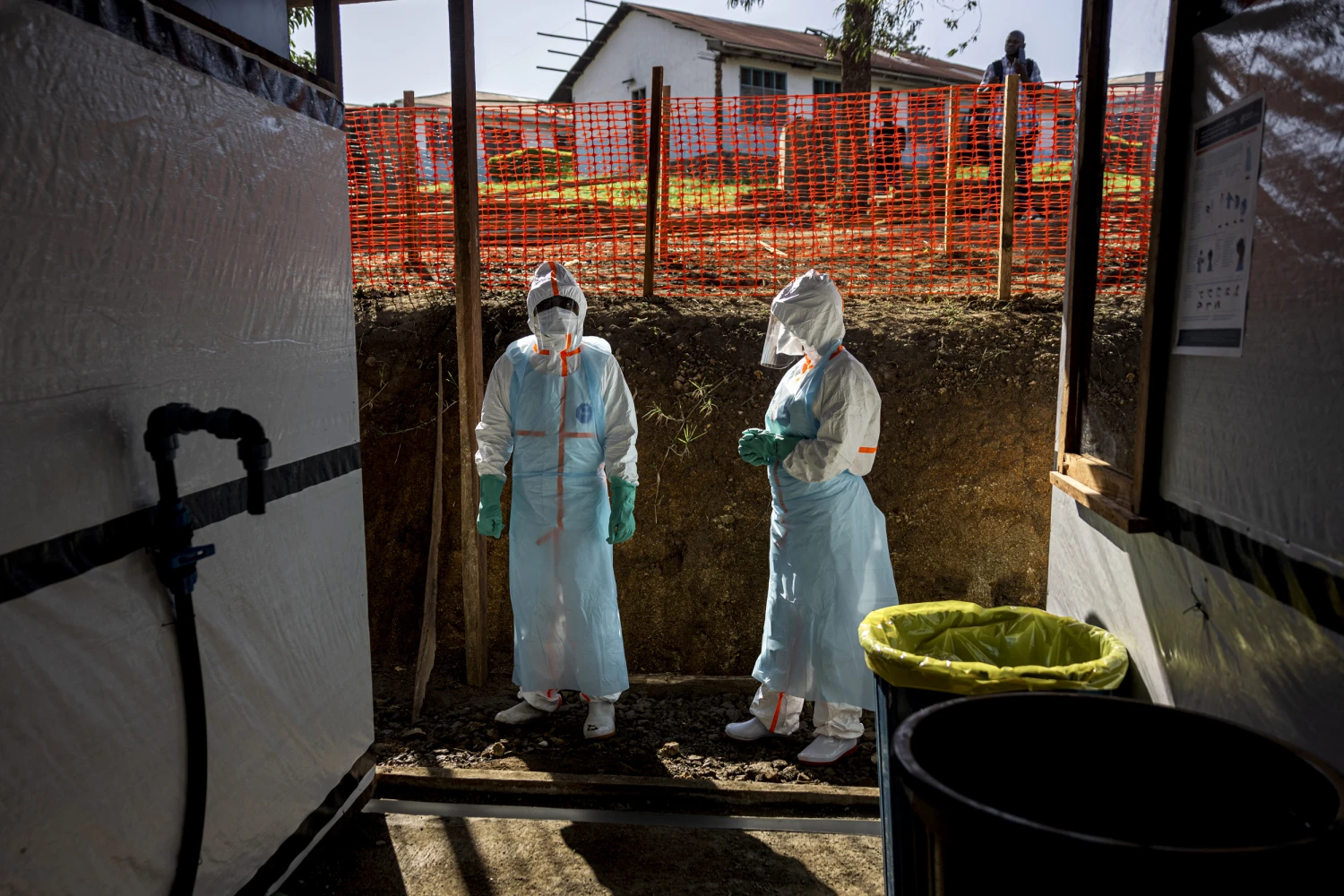
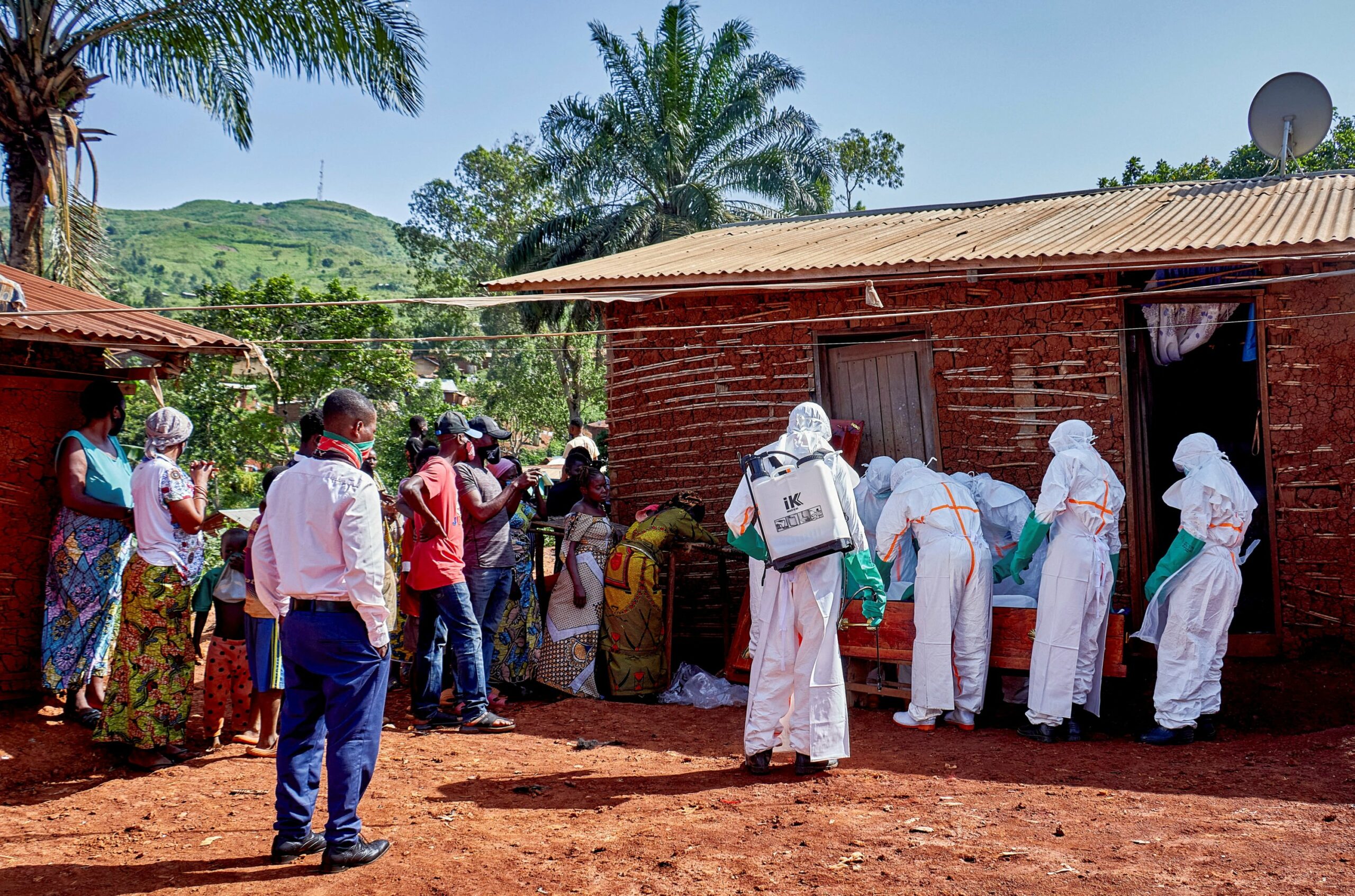
Safe burial teams—critical in preventing further transmission—are facing strong resistance from communities. Some residents accuse health workers of “seizing bodies,” while others believe, based on false narratives, that burial equipment and coffins are contributing to deaths rather than preventing them.
To address this, response teams led by supervisor John Tumudjibeka have begun involving families directly in burial procedures to rebuild trust.
He emphasized that Ebola spreads through bodily fluids, and traditional funeral practices such as washing or touching the deceased significantly increase transmission risks.
Despite efforts to promote “safe and dignified burials,” tensions continue to escalate. Health workers are not only battling the virus but also confronting hostility and violence from sections of the community.
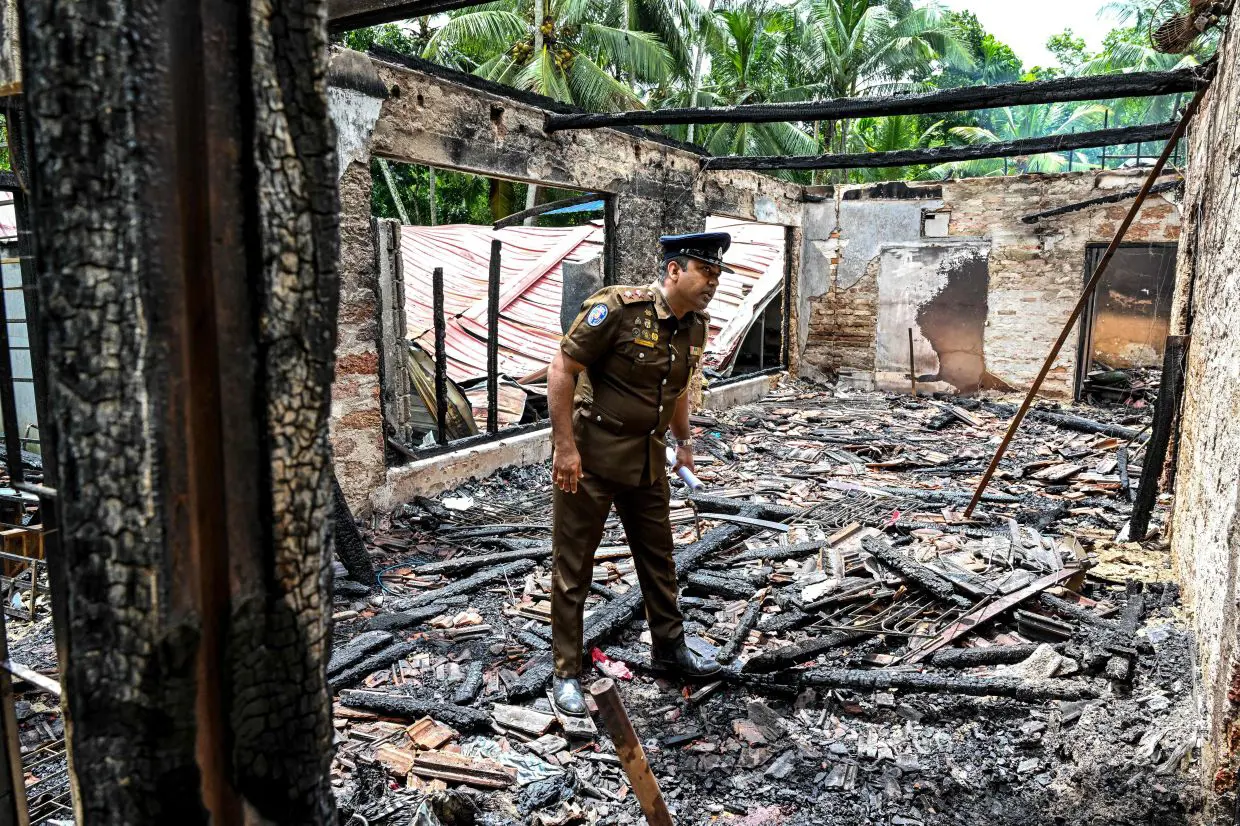
Since May 21, at least three attacks have been reported on Ebola treatment and isolation facilities in Ituri province. In one incident in Rwampara, protesters set fire to a treatment center after claiming bodies were being withheld from families for traditional burial rites.
In Mongbwalu itself, tents set up by Doctors Without Borders were burned down, while a recent attack on Mongbwalu General Hospital forced medical staff and patients to flee as a group of youths attempted to forcibly take two bodies.
Many frontline workers continue operating under extremely difficult conditions, often without adequate pay or basic resources, relying largely on humanitarian commitment. Authorities have urged stronger community engagement and awareness campaigns to counter misinformation and restore trust.
As the outbreak spreads, officials warn that without public cooperation, misinformation and insecurity could significantly undermine efforts to contain the deadly virus in eastern Congo.