Children at risk of leprosy: Govt vows priority action
Out of 2,409 reported leprosy cases nationwide, 154 involve children, highlighting the urgent need for intervention.

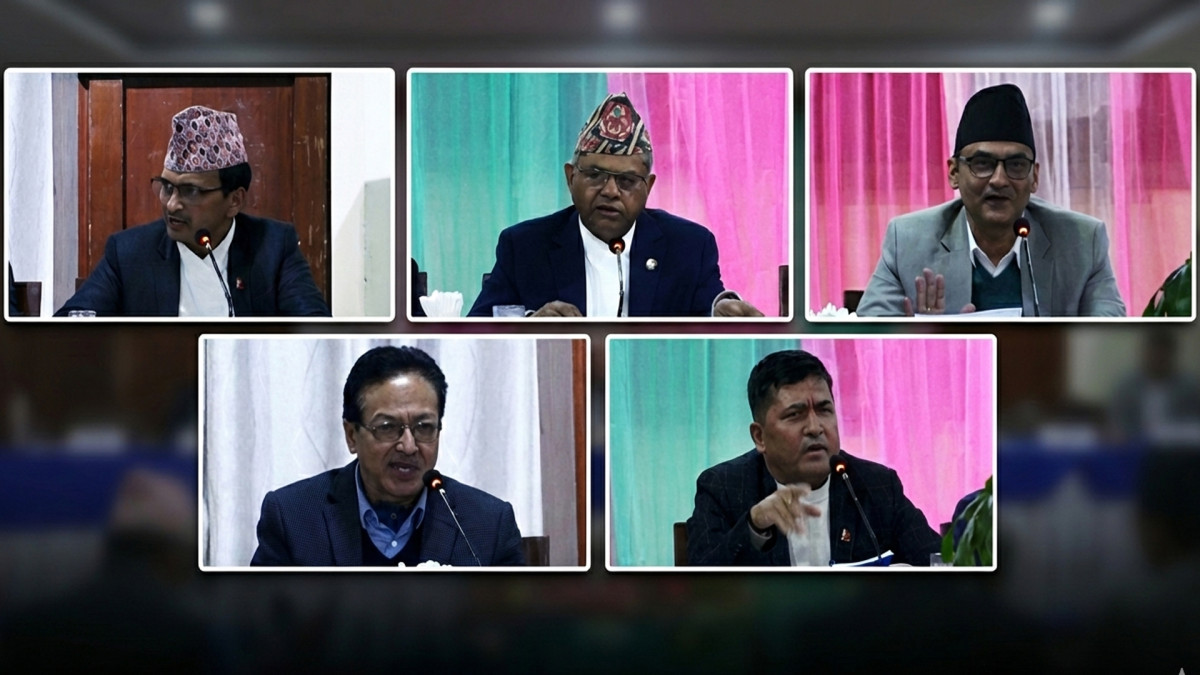
KATHMANDU: The government has reaffirmed its commitment to prioritizing the control of leprosy, particularly among children, following alarming new statistics.
Out of 2,409 reported leprosy cases nationwide, 154 involve children, highlighting the urgent need for intervention.
Experts emphasized that leprosy is not just a medical issue but also a serious concern with psychological, social, economic, and human rights implications.
Although Nepal declared leprosy elimination in 2010, the disease has resurged in 16 districts, with high infection rates among children raising further concern.
Speaking at an event organized by the Nepal Law Society, Secretary of the Ministry of Law, Justice, and Parliamentary Affairs, Parashwar Dhungana, described the occurrence of leprosy in children as alarming.
He stressed that eliminating the disease is a matter of human rights, noting that as the world moves through the 21st and 22nd centuries, countries have largely eradicated leprosy, and Nepal must follow suit.
He assured that all government bodies will act in a coordinated manner to tackle the disease.
Dr. Bikash Devkota, Secretary of the Ministry of Health and Population, called for a multi-sectoral approach to leprosy control.
He warned that more than one patient per 10,000 population in 16 districts is concerning and advocated shifting from a blanket approach to an “equity approach,” targeting interventions where the problem is most severe.
He noted that delayed detection and treatment within families are primary reasons for high infection rates among children, compounded by social stigma and discrimination that prompt patients to hide their illness.
Former Chief Secretary Ekanarayan Aryal urged viewing leprosy within an “eco-cycle” framework, addressing its legal, social, and economic dimensions.
He emphasized that creating more laws alone will not solve the problem; effective implementation and necessary legal adjustments are crucial. Aryal also recommended addressing societal discrimination and respect within legal structures.
Supreme Court Justice Til Prasad Shrestha highlighted the persistent gap between planning and execution, noting that while Nepal has abundant studies and strategies, implementation remains weak.
He stressed that laws must be backed by proper structures and resources to be effective.
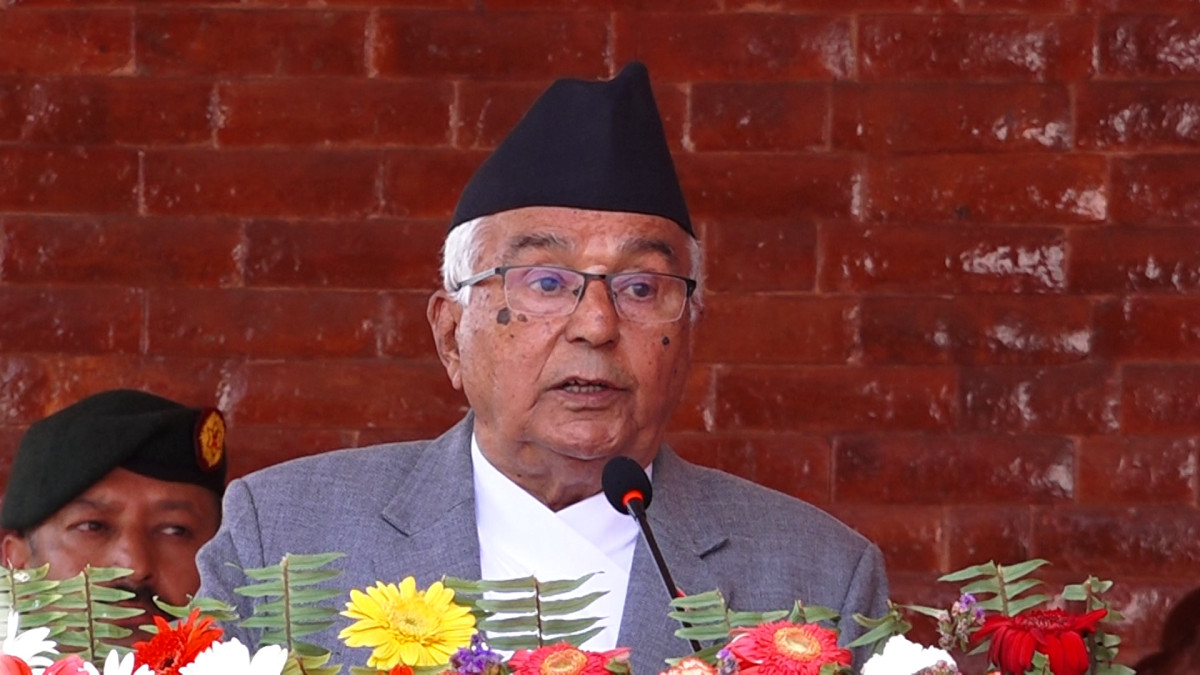
Law, Justice, and Parliamentary Minister Anil Kumar Sinha described leprosy as a matter tied to individuals’ futures and human rights, cautioning against treating it as a minor issue.
He stressed that the effectiveness of laws should be measured by their implementation and societal impact.
Experts at the program warned that leprosy statistics are alarming and that delay in control measures would be dangerous.
They called for coordinated action across all government agencies to tackle the disease.
With 154 children among 2,409 cases, participants highlighted the severity of leprosy infection and urged placing it among national priorities to eliminate it from the country.