Centenary of a legend: Sir David Attenborough turns 100
His documentaries transformed television, revolutionized wildlife filmmaking and inspired millions of people to care about Earth’s fragile ecosystems.

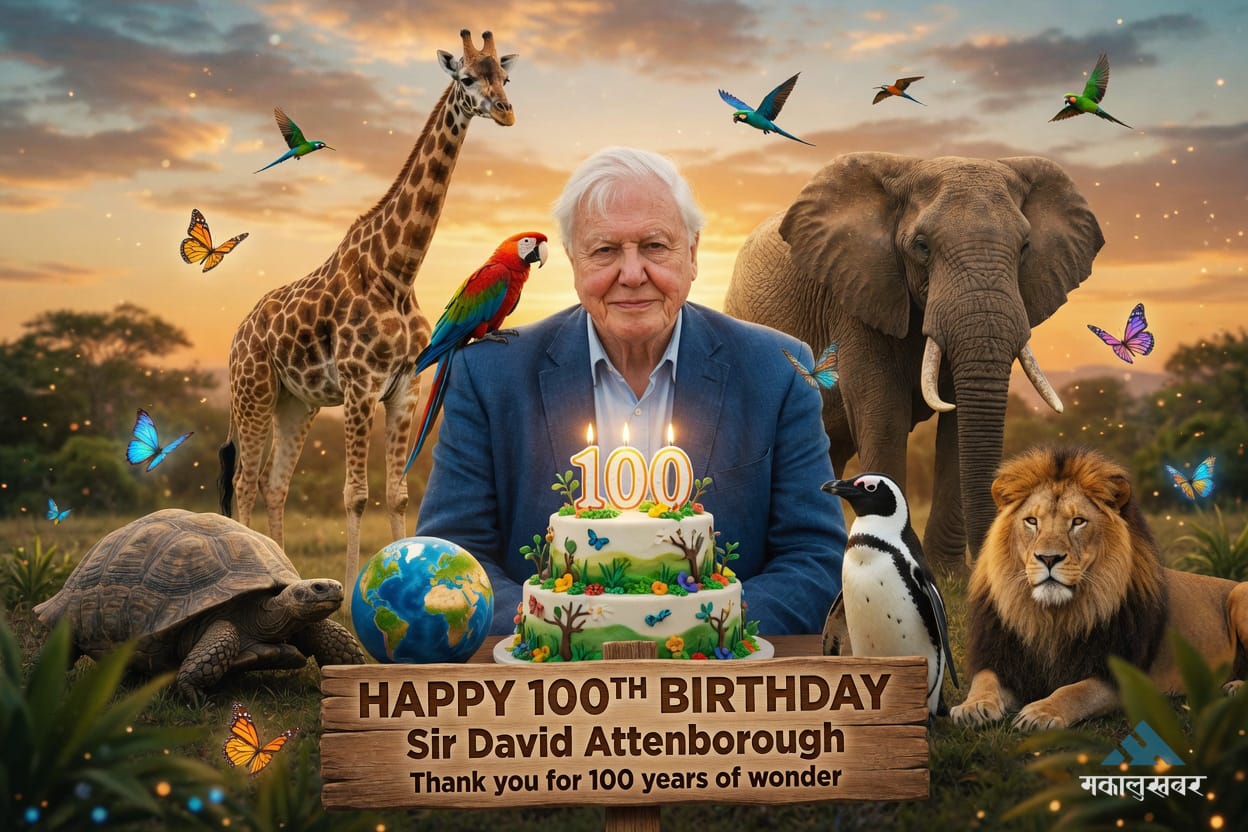
KATHMANDU: As Sir David Attenborough celebrates his 100th birthday, the world is honoring a man whose voice, storytelling and lifelong passion for nature transformed wildlife filmmaking forever.
For more than seven decades, Attenborough has taken audiences from the deepest oceans to the densest rainforests, from frozen polar landscapes to deserts teeming with hidden life.
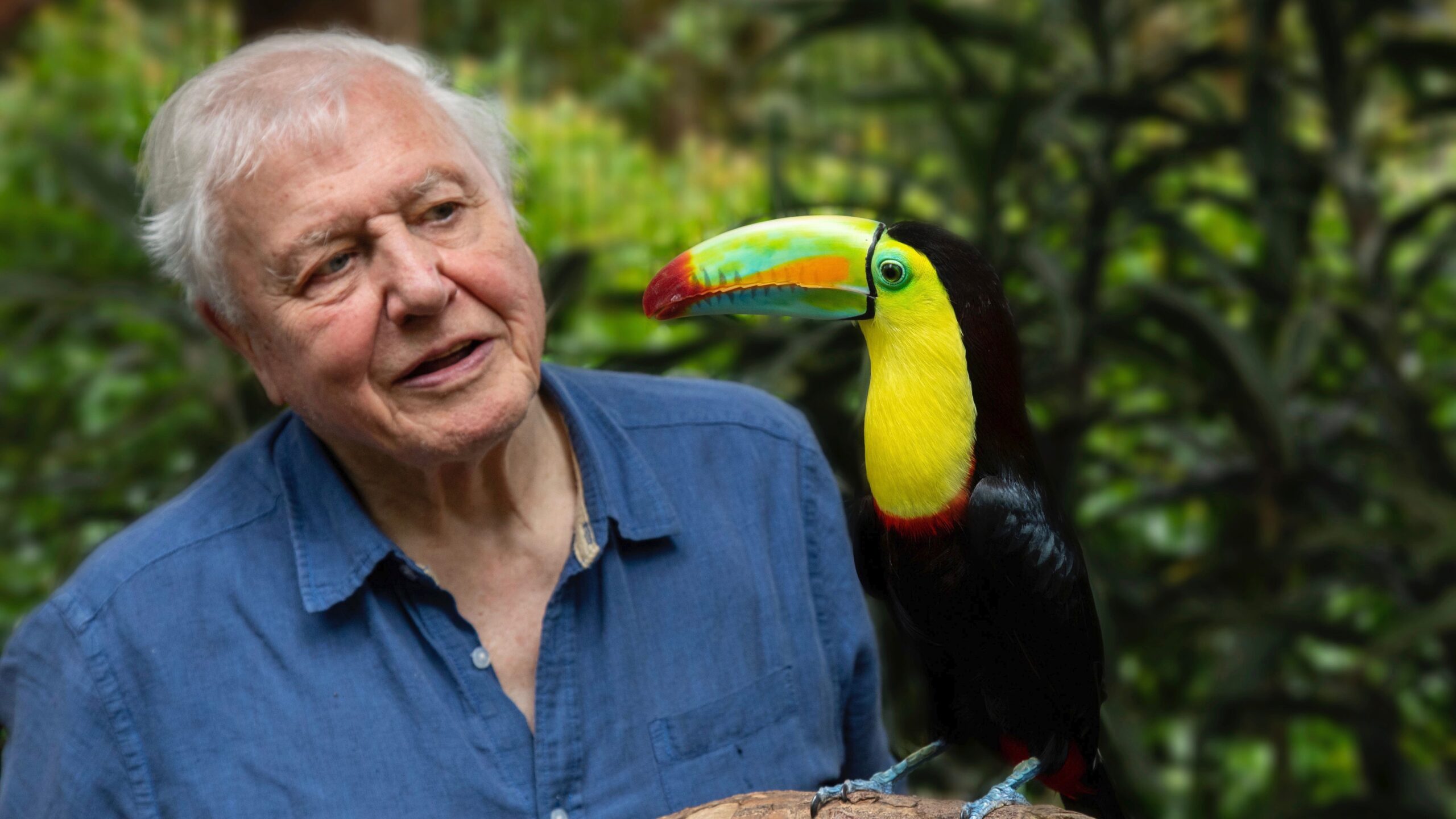
His documentaries transformed television, revolutionized wildlife filmmaking and inspired millions of people to care about Earth’s fragile ecosystems.
As tributes pour in from across the globe, many are reflecting not only on Attenborough’s extraordinary career, but also on the remarkable journey that began with a young boy fascinated by fossils, insects and the groundbreaking work of a wildlife pioneer named Cherry Kearton.
Childhood Fascination With Nature
David Frederick Attenborough was born on May 8, 1926, in London and grew up in Leicester, where his father served as principal of University College Leicester.
From an early age, Attenborough showed an unusual curiosity about the natural world. He collected fossils, bird eggs, stones and insects, spending hours studying nature around him.
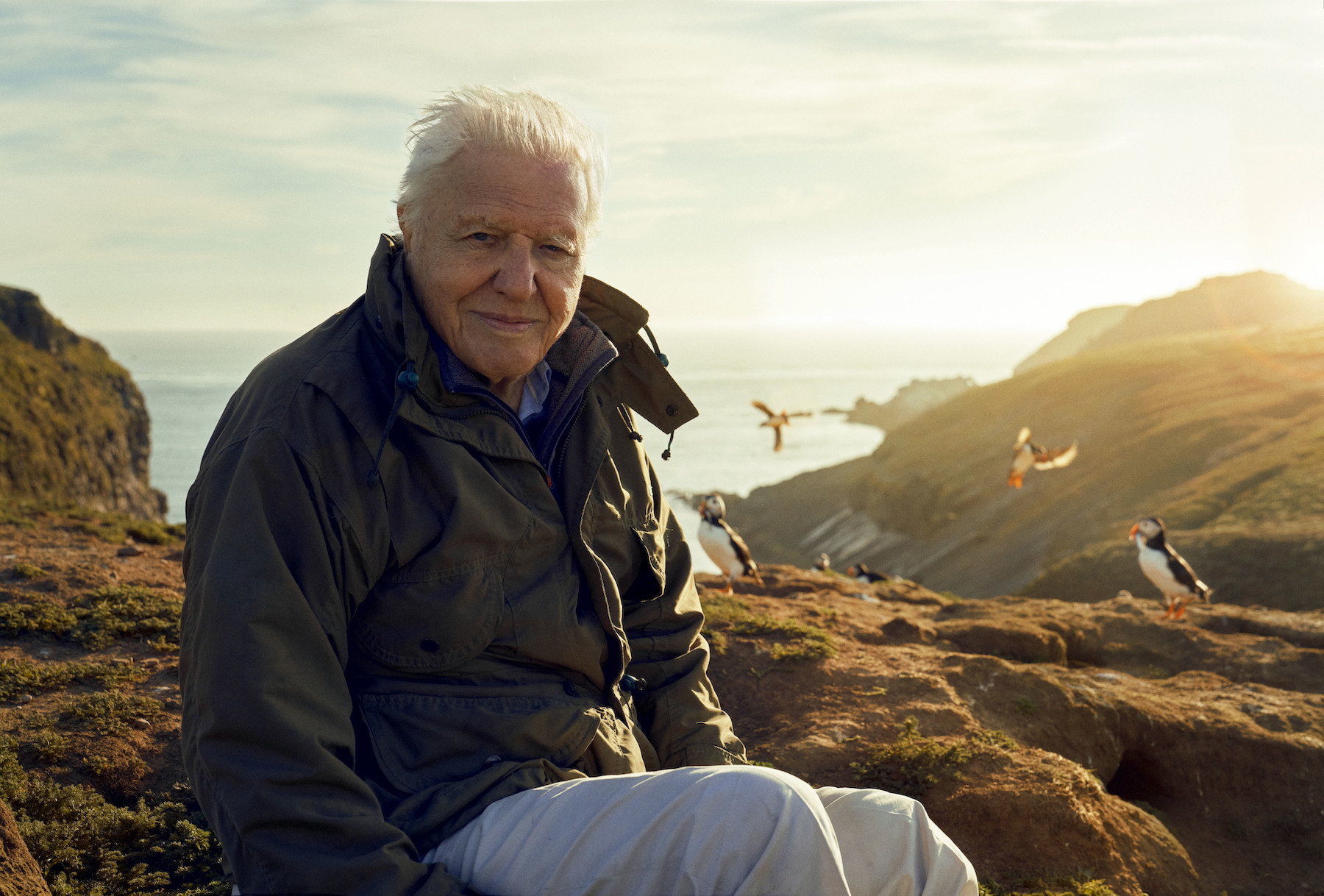
While many children dreamed of adventure stories, Attenborough became fascinated by wildlife exploration and scientific discovery.
One of the biggest influences on the young Attenborough was the work of Cherry Kearton, considered a pioneer of wildlife photography and filmmaking.
The Pioneer Who Inspired Attenborough
In the late 19th century, photography was extremely difficult and mostly limited to studio portraits. Cameras were bulky wooden devices using fragile glass plates that required long exposure times. Photographing animals in the wild was considered nearly impossible.
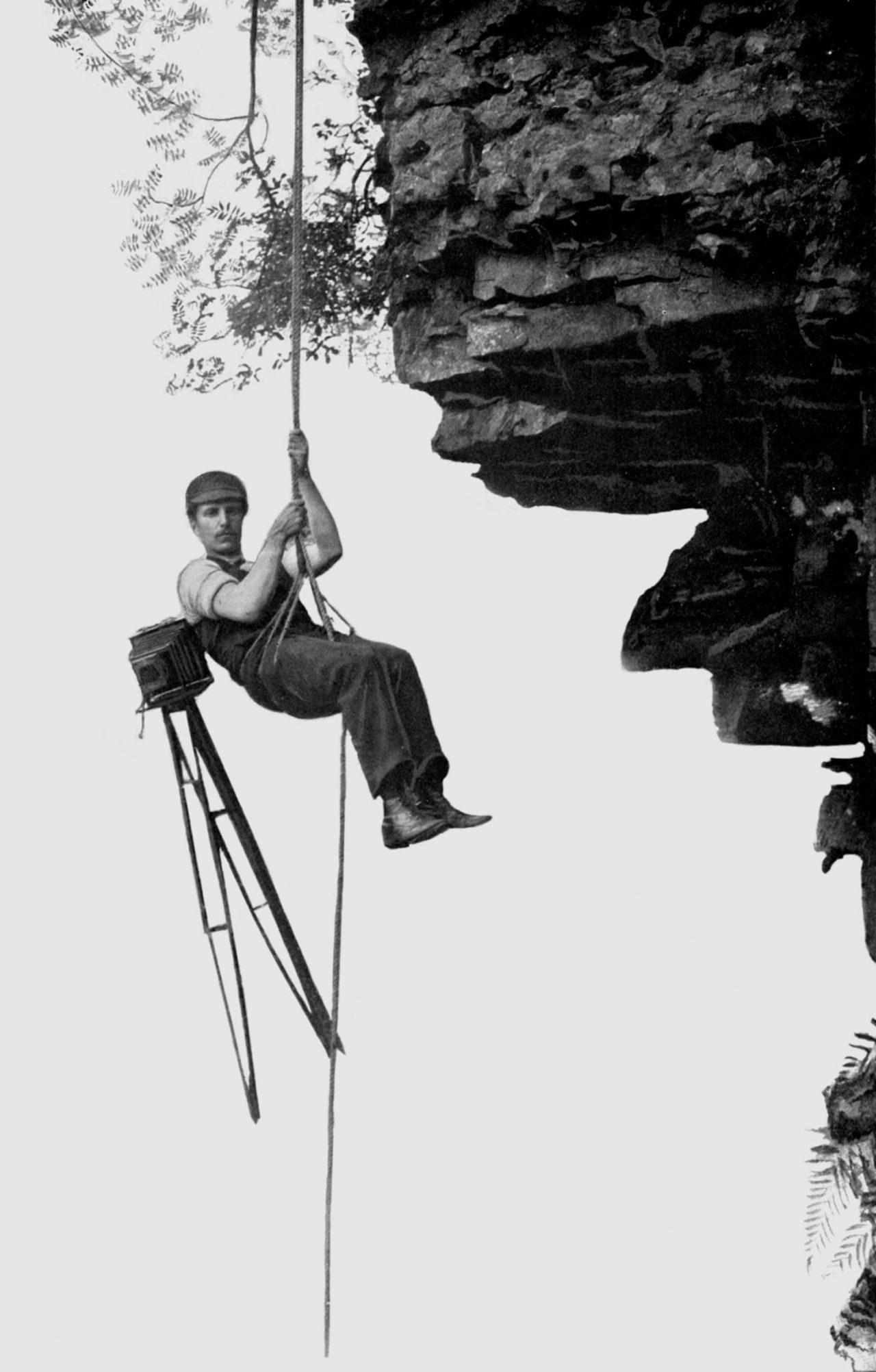
But Cherry Kearton and his brother Richard changed that forever.
During a walk in Surrey, England, the brothers reportedly captured the first-ever photograph of a bird’s nest containing eggs using a portable camera. Cherry Kearton later became one of the world’s first professional wildlife photographers and filmmakers.
To film animals closely without disturbing them, he invented remarkable techniques. He disguised cameras as tree trunks, bushes and even fake animals. In one famous attempt, he reportedly hid inside a model ox to approach birds and mammals unnoticed.
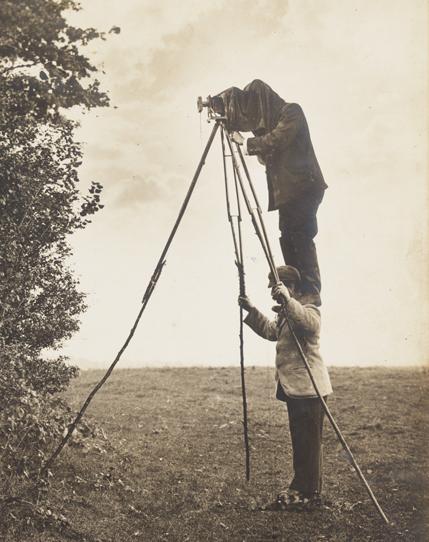
His groundbreaking work allowed ordinary people to witness wildlife behavior in ways never seen before.
Young David Attenborough became mesmerized by Kearton’s films and adventures.
“Kearton’s films captured my childish imagination. It made me dream of travelling to far-off places to film wild animals,” Attenborough once said.
The influence remained with him throughout his life. In 2012, Attenborough visited the National Science and Media Museum in Bradford to see the special cinema camera designed by Kearton for his 1935 documentary The Big Game of Life.
For Attenborough, Kearton represented the beginning of wildlife filmmaking — a craft he himself would later elevate to an entirely new level.
Education and Early Career
Attenborough studied natural sciences at the University of Cambridge after serving in the Royal Navy during the post-Second World War period.
Although initially uncertain about his career path, he joined the BBC in 1952 as a trainee producer. Television at the time was still developing, and nature programming was extremely limited.
Everything changed with the launch of Zoo Quest in 1954.

The series followed Attenborough and zoologists travelling through tropical forests, remote islands and unexplored regions searching for rare animals for the London Zoo.
At a time when international travel was rare and television technology was primitive, the series amazed audiences. Viewers saw animals and landscapes they had never imagined existed.
Attenborough’s calm narration, curiosity and genuine excitement quickly made him one of Britain’s most recognizable television personalities.
Revolutionizing Wildlife Filmmaking
Over the following decades, Attenborough transformed natural history broadcasting.
He combined scientific storytelling with technological innovation, pushing filmmakers to use the newest cameras, helicopters, underwater systems and later drones to capture behavior never previously filmed.
His landmark 1979 series Life on Earth became a turning point in television history. The series explored the evolution of life across Earth and was watched by hundreds of millions worldwide.
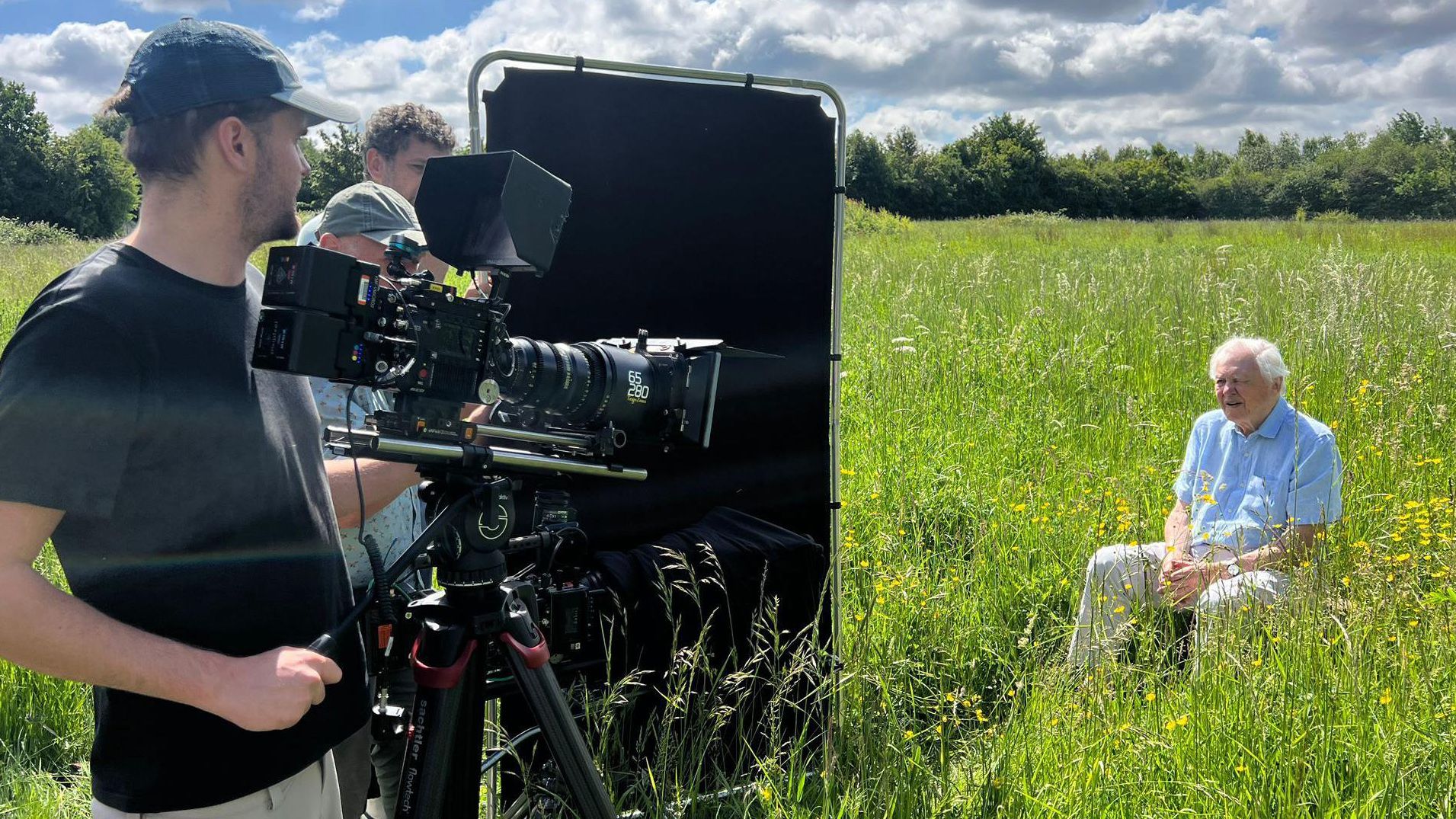
One of its most famous moments came when Attenborough sat peacefully among mountain gorillas in Rwanda — an intimate wildlife encounter that became iconic.
He later created numerous award-winning series, including:
- The Living Planet
- The Trials of Life
- The Blue Planet
- Planet Earth
- Frozen Planet
- Blue Planet II
- Seven Worlds, One Planet
These productions introduced revolutionary filming methods, including ultra-slow-motion footage, deep-sea exploration cameras, aerial cinematography, and high-definition wildlife recording.
Many modern wildlife filmmakers credit Attenborough for inspiring their careers.
A Voice Warning About Climate Change
In the later part of his life, Attenborough shifted increasingly toward environmental activism.
After witnessing decades of deforestation, pollution, habitat destruction and climate change during his travels, he began openly warning that humanity was pushing the planet toward ecological crisis.
He spoke at major international climate conferences, including the United Nations Climate Change Conference, urging world leaders to take immediate action.

His 2020 documentary A Life on Our Planet served as both a personal witness statement and a warning about the future of Earth.
In the film, Attenborough described biodiversity loss as one of humanity’s greatest threats while also emphasizing that solutions still exist through conservation, renewable energy and sustainable living.
His documentaries increasingly highlighted issues such as:
- Melting polar ice
- Ocean plastic pollution
- Species extinction
- Rainforest destruction
- Coral reef collapse
- Rising global temperatures
Despite the alarming message, Attenborough consistently emphasized hope and collective action.
Global Respect and Cultural Impact
Attenborough’s influence extends far beyond television.
Scientists credit him with increasing public interest in biology, conservation and ecology. Environmental groups say his documentaries helped generate support for wildlife protection worldwide.
His narration style — calm, informative and deeply emotional — became globally recognizable. For many viewers, Attenborough’s voice became the sound of nature itself.

He has received numerous honors throughout his career, including knighthood, international broadcasting awards and recognition from scientific institutions.
Several species of plants and animals have even been named after him in tribute to his contribution to science and conservation.
Celebrating 100 Years
As Sir David Attenborough marks his 100th birthday, celebrations are being held across museums, universities, conservation organizations and media institutions worldwide.
Documentary channels are rebroadcasting his most iconic productions, while scientists, filmmakers and environmental leaders continue praising his unmatched contribution to public understanding of nature.
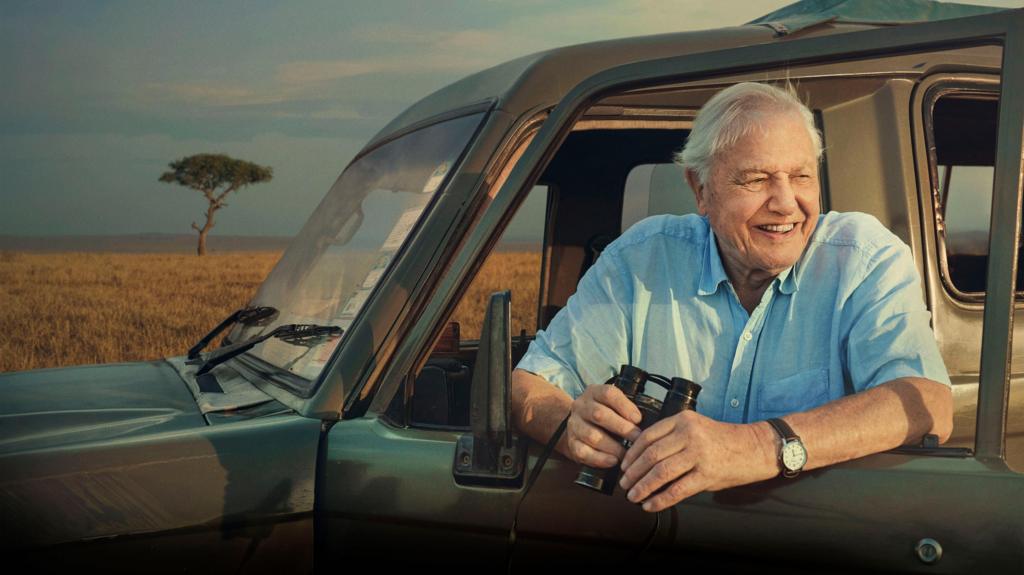
Many describe him as not simply a television presenter, but as the man who changed humanity’s relationship with the natural world.
From the early inspiration of Cherry Kearton’s pioneering wildlife photography to the breathtaking ultra-high-definition documentaries of the modern era, Attenborough’s life mirrors the entire evolution of natural history filmmaking itself.
At 100, Sir David Attenborough remains a global symbol of curiosity, scientific wonder and environmental responsibility — a storyteller whose work helped millions of people fall in love with the planet they call home.